Table of Content
Use a bristle brush ($9) and a dab of soap to clean your stone after every use. This treatment is especially helpful if you’re trying to relax after working with your hands and get rid of a callus at the same time. The fine grains of the salt dissolve to relax your muscles and soothe your skin. Mixing 2 to 3 tablespoons in a basin or bowl of warm water before soaking your callus may make it easier to peel off.
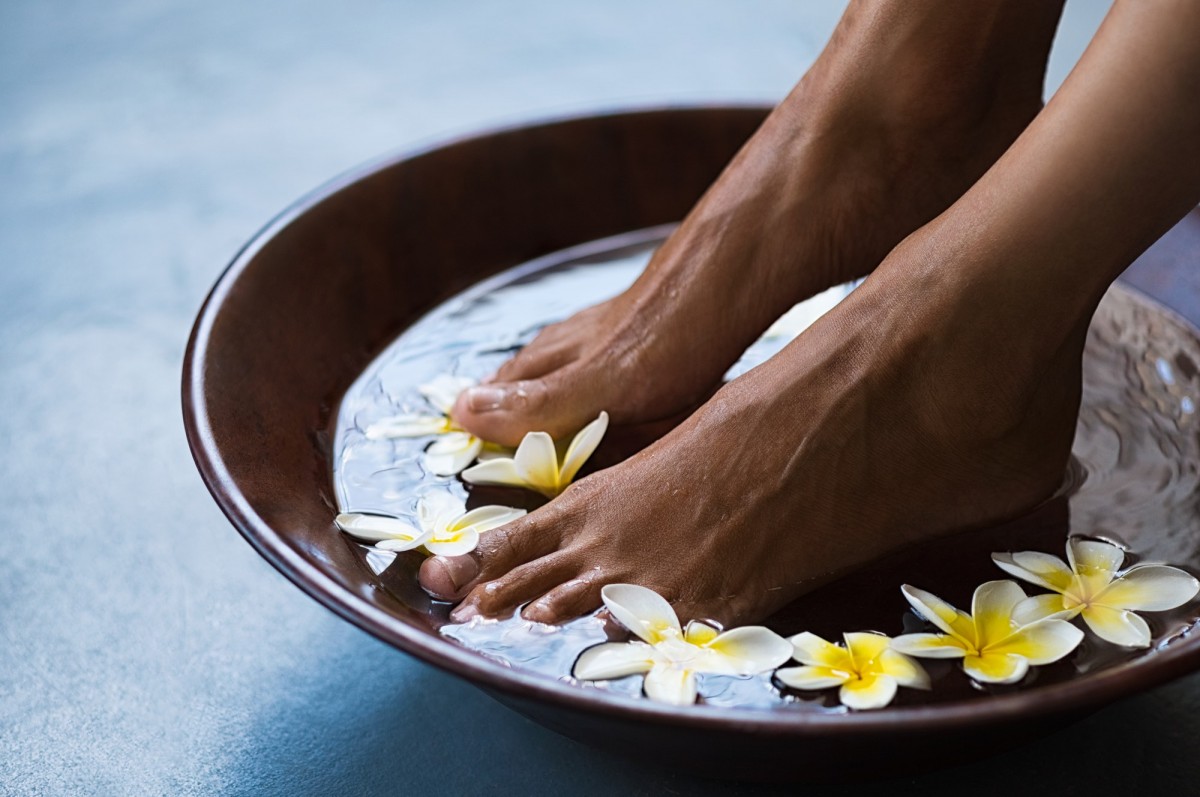
Let the base coat dry completely before moving on to the nail polish. Using a cuticle pusher, push your cuticles back and remove any dead skin from the top of your nails. Also use the cuticle pusher to clean under your nails at the tips. Once your feet have soaked for a few minutes, use a brush to exfoliate your feet. Exfoliate your whole foot – the areas you filed down with the callous remover plus your toes and the top of your feet. Rinse off the debris from exfoliating in your shower or bathtub.
The 10 Best At-Home Callus Removers for the Softest Feet and Hands
Calluses on your feet can be thick, hard, and even painful. Depending on the severity of your calluses, you may need to head into the podiatrist's office for a proper pedicure. But, if you're able to manage them at home, you need to be careful about what tools you use. Diane Koshimune, DMP, a podiatrist in San Jose, California, says you want to keep scalpels and pedicure knifes out of your DIY pedicure kit.
A pumice stone can be especially handy when you have a callus on the bottom of your feet or on your elbows, where it’s hard to see. After soaking your callus thoroughly, apply the pressure of the pumice stone to your callus and rub in a circular motion. The idea is to rub the skin away over the course of a few applications of this remedy.
How to tighten skin?
A simple warm-water soak is the first remedy recommended by the American Academy of Dermatology. This remedy involves combining an acid component and a chemical component to spark a reaction that makes calluses easier to remove. You’ll need warm water, a basin, and 2 to 3 tablespoons of lemon juice to start with. After a few minutes of soaking your callus in this solution, add in the baking soda.
It’s best to soak your callus first before trying sandpaper. Calluses are caused by repeated pressure on a spot of your skin. Extra layers of skin grow over the affected area until a harder, raised bump appears. Your body does this to protect your skin from being exposed to irritants or broken.
Soak your feet
If you're looking for a more intensive callus treatment, use a chemical foot peel like Baby Foot that will dissolve rough skin without harsh, physical exfoliation. When rinsing off the mask, soak feet for an extra 10 minutes of added relaxation. While some electric devices take a few uses to really get rid of calluses, Amope's tool received the highest score for removing calluses after just one use in a Good Housekeeping Institute test.
Fill a small tub with warm water and soak the affected areas for about 10 minutes. If they work with heavy machinery or hand tools that require a lot of force and they do not use gloves, then a callus will likely form. "For a top coat, seek a strengthening formula," Remark says. Since toes are always exposed in sandals, it's a good idea to find a long-wear version that will help nail color stay chip-free.
When it comes to being used as a home remedy to get rid of calluses it acts as both a softening agent as well as anti-inflammatory one. If you are wearing uncomfortable shoes that are too tight or are not well insulated or cushioned, then a skin callus will likely form. Most of the time, when you wear a brand new pair of shoes for the first time, your feet are not accustomed to them yet.
Your feet could feel baby smooth for a few days, but it is not going to be short term. Along with our list of tropical solutions to calluses is coconut oil. Coconut oil is a wonderful home remedy for moisturizing because of its anti-inflammatory properties, vitamin and mineral makeup. Not only does coconut oil soften hard, thick skin, but it also nourishes developing skin tissue.
The most callus foot mask is made from vegetable and leaf extracts that bring long-lasting moisture to coarse, dead skin. The foot mask is also formulated with antibacterial ingredients that keep the affected area clean and supple; each mask can be adjusted to fit your size. You can conveniently wear foot mask underneath socks if you so wish, or wear them alone. Even though the foot mask can take up to two weeks to get rid of the callus completely. There are various flavors of foot callus to choose from- lavender, coconut, rose, and lemon, to mention a few. When it comes to moisturizing and softening calluses few oils work better than castor oil.

There will almost always be an added amount of friction that will lead to a callus on your foot. It’s because of this reason that you are always supposed to break in your shoes before you wear them for an extended period of time. From top tools to aftercare, here are the must-do's and at-home pedicure hacks to pamper your feet and toes properly. Embrace your inner nail tech and give your feet a little TLC.
Make sure your feet are soaked before to soften them, then use the shaver gently to remove dead skin. Calluses can also be eliminated through the use of pineapple. Pineapples are an excellent home remedy because they contain the enzyme bromelain, which helps to reduce inflammation. The acidic properties of pineapple also help to dissolve the thick, hard skin to help soften and remove it. When treating your cuticles, think less is more, says Sigourney Nuñez, education manager for OPI. Be gentle with your cuticle pusher — simply push back any waxy build-up on your natural toenail plate and near the cuticle area.

If you buy through links on this page, we may earn a small commission. We've rounded up a slew of store-bought solutions for smooth feet. Deven Hopp is an experienced writer and editor with over five years of experience covering the beauty industry for sites like Byrdie and Makeup.com.
The products were evaluated based on performance, safety and ease of use. Start by soaking your feet to soften and help remove dead skin, Nuñez says. Using a foot file, buff away at any rough areas that may have been caused by standing too long in heels, exercising, or have just accumulated over time. "Focus on cracks on the edges of your heel, as well as the ball of your foot, which is where calluses tend to occur," Remark advises. That said, if your calluses aren’t as severe, you can opt to try an at-home tool, gel or cream to remove them . The products below are a combination of devices our experts have tested in our Labs as well as top-selling products backed by real consumer feedback online.

Here are 11 ways to get your feet under control—and keep them that way. Scrub your feet while in the bathroom and apply a foot cream. By the end of the day, the cream will be absorbed fully and will not sag into the sheets while you sleep.




No comments:
Post a Comment